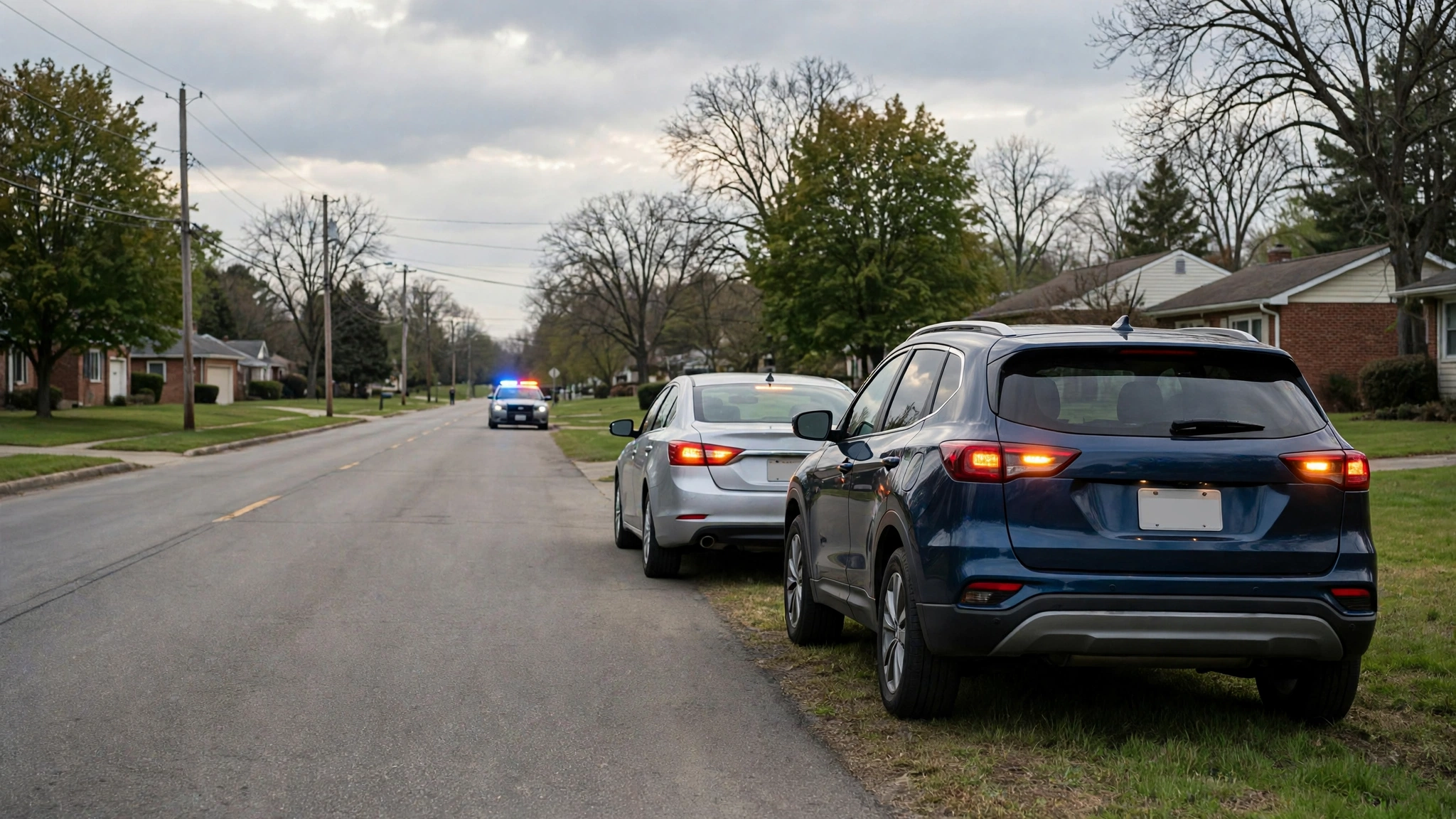
What to Do After a Car Accident: Legal Steps Explained
A car accident is stressful even when no one is badly hurt. In the minutes after a crash, it is hard to think clearly, and the choices you make in that moment can affect your health, your insurance claim, and your legal position for months to come. Knowing the steps in advance makes a real difference.
This guide explains what to do after a car accident in the United States in 2026. It covers the first minutes at the scene, the evidence to collect, how insurance claims work, what to do about injuries, and when it makes sense to talk to a lawyer. It is general information only. It is not legal advice. Laws vary by state, and every accident is different, so consult a licensed attorney for advice about your own situation.
The First Minutes: Safety Comes First
Your first job after a crash is safety, not paperwork. If anyone is hurt, call 911 right away. Do not move a person who may have a neck or back injury unless they are in immediate danger, such as a fire or oncoming traffic.
If your car can be moved safely and it is blocking traffic, move it to the side of the road or a nearby parking area. Turn on your hazard lights. If the car cannot be moved, stay inside with your seatbelt on if it is safer than standing near traffic, or move well away from the road.
Check yourself and your passengers for injuries. Adrenaline can hide pain, so even if you feel fine, stay alert to symptoms in the hours and days that follow. Keep calm, breathe, and focus on one step at a time.
Call the Police
In most states, you should call the police after an accident, especially if anyone is injured, if a car cannot be driven, or if there is significant property damage. Some states require you to report an accident to the police or the department of motor vehicles when damage is above a certain amount, often between 500 and 1,000 dollars, but the exact amount varies by state.
A police report is an important record. The officer will note the location, the time, the drivers involved, witness statements, and sometimes an opinion about what happened. Insurance companies often ask for the police report number, so write it down before the officer leaves, along with the officer’s name and badge number.
If the police do not come to the scene, for example in a very minor accident, you can usually file a report yourself later at the police station or online, depending on your state. Ask the officer or check your state DMV website for the right process.
Do not leave the scene before the police arrive or before you have exchanged information, unless you need emergency medical care. Leaving the scene of an accident can be a crime in many states, especially if someone is injured.
Exchange Information
Exchange information with the other driver or drivers. You will need their full name, address, phone number, driver’s license number, license plate number, and insurance company and policy number. Give them the same information about you.
Be polite and factual. Do not argue about who was at fault, and do not apologise in a way that could be read as admitting fault. A simple statement such as I am sorry this happened is human, but in some states, an apology can be used against you in a claim. The safest approach is to stick to the facts: exchange information, describe what you saw if the police ask, and let the insurance companies and, if needed, the courts sort out fault.
Also collect the names and contact details of any witnesses. Independent witnesses can be very helpful later if the other driver changes their story. If a witness is willing to make a short statement on your phone video, that can help too, but do not pressure anyone.
Document the Scene
Your phone is your best tool at the scene. Take photos and videos of everything, including damage to all vehicles from several angles, the license plates, the road and weather conditions, traffic signs and signals, skid marks, debris on the road, and any visible injuries.
Take a wide photo that shows the position of the cars and the layout of the road. Take close-up photos of the damage. Photograph the other driver’s insurance card and driver’s license if they allow it. Note the time, the date, and the exact location.
Write down your own account of what happened as soon as you can, while the details are fresh. Include the direction you were travelling, your speed, what you saw, and what the other driver did. Memories fade fast, and this note can be useful weeks later when you speak to an insurer or a lawyer.
Keep every document related to the accident in one place: the police report, medical records, repair estimates, rental car receipts, and all letters and emails from insurance companies. A simple folder, physical or digital, will make the whole process easier.
Get Medical Attention
See a doctor promptly after the accident, even if you feel fine. Some injuries, such as whiplash, concussions, and internal injuries, may not show symptoms for hours or days. A medical record made soon after the accident connects your injuries to the crash, which matters for an insurance claim.
Tell the doctor exactly what happened and describe every symptom, even minor ones. Follow the treatment plan, attend follow-up appointments, and keep copies of all medical records and bills. If you miss appointments or stop treatment early, an insurance company may argue that your injuries were not serious.
Keep a simple diary of your symptoms and how the injuries affect your daily life, such as missed work, trouble sleeping, or difficulty doing normal tasks. This record can support a claim for pain and suffering in states where that type of compensation is available.
Notify Your Insurance Company
Contact your own insurance company as soon as you can, usually within 24 hours, or as soon as your policy requires. Most policies require prompt reporting, and a delay can give the insurer a reason to question your claim.
When you report the accident, stick to the facts. Describe what happened, where, and when. Do not guess about things you are unsure of, and do not agree to a recorded statement until you understand what it means. In some situations, especially if injuries are involved, it is wise to speak to a lawyer before giving a recorded statement to the other driver’s insurer.
Do not accept a quick settlement offer from an insurer before you know the full extent of your injuries and repair costs. Early offers are often lower than what a claim is worth, and once you accept and sign a release, you usually cannot ask for more later, even if new medical problems appear.
Keep a log of every call with any insurance company: the date, the name of the person you spoke to, and what was said. Save all letters and emails.
What to Do in the Days After the Accident
The days after a crash matter almost as much as the first hour. Get your car to a repair shop and ask for a written estimate, and keep the estimate even if you decide to use a different shop. If your car is not safe to drive, ask your insurer about a rental car and whether your policy covers it. Tell your employer if you need time off for medical care, and keep a note of the hours you miss.
Watch your health closely for at least a week. Headaches, neck stiffness, back pain, dizziness, or trouble sleeping can appear days after a crash, so see a doctor again if new symptoms appear. Finally, review your insurance policy so you understand your deductible, your coverage limits, and any benefits you may not have used yet, such as rental reimbursement or roadside help.
How Fault Is Decided
In the United States, fault rules differ by state. Understanding the basic systems will help you know what to expect.
In at-fault states, the driver who caused the accident, or rather their insurer, is responsible for paying for the damage and injuries. Most states follow this system. The insurer investigates, looks at the police report, witness statements, photos, and the drivers’ accounts, and decides who was at fault.
In no-fault states, each driver usually turns first to their own insurance for medical costs, regardless of who caused the crash. About a dozen states use some form of no-fault system. In many of these states, you can still bring a claim against the other driver if your injuries are serious enough to pass a threshold set by state law.
Many states also use comparative fault rules. This means that if both drivers share some blame, each person’s compensation is reduced by their share of fault. In some states, you can recover damages even if you were mostly at fault, with your payment reduced accordingly. In other states, you cannot recover anything if you were more than 50 percent at fault. The exact rule depends on your state, which is another reason to get local advice.
Traffic laws, such as speed limits, right-of-way rules, and rules about texting while driving, also matter. If a driver broke a traffic law and that caused the crash, that is strong evidence of fault.
Types of Compensation You May Be Able to Claim
After a car accident, the costs can go beyond car repairs. Depending on your state and your policy, a claim may include several types of losses.
Property damage covers repairs to your car, or the value of the car if it is a total loss, plus damage to personal items inside the car, such as a phone or a laptop.
Medical expenses cover hospital visits, doctor appointments, physical therapy, medication, and any future treatment related to the accident. Keep every bill and receipt.
Lost income covers wages you missed because of the accident, including time off for medical appointments. If you are self-employed, keep records of lost work and income.
Pain and suffering is compensation for physical pain, emotional distress, and the effect of the injuries on your daily life. This type of compensation is available in many states, but the rules and limits vary widely.
In some cases, if the other driver was extremely reckless, such as driving under the influence, a court may award additional money called punitive damages. These are meant to punish the wrongdoer, not just to compensate the victim, and they are not available in every case.
Your own policy may include coverage you have forgotten about, such as uninsured or underinsured motorist coverage, which helps if the other driver has no insurance or not enough insurance. Personal injury protection, often called PIP, covers medical costs and lost wages in some states. Review your policy or ask your insurer what coverage you have.
Dealing With the Other Driver’s Insurance Company
The other driver’s insurance company is not on your side. Its job is to limit what it pays. That does not mean the adjuster will be rude, but it does mean you should be careful.
You are not required to give a recorded statement to the other driver’s insurer, and you should be cautious about doing so. If you do speak to them, stick to basic facts and do not speculate about fault or the extent of your injuries. Do not say you are fine if you have not seen a doctor yet.
Be careful about signing any document from the other insurer, especially a medical authorisation that gives them broad access to your medical history, or a release that settles your claim. Read everything before you sign, and consider asking a lawyer to review it first.
If the other driver has no insurance, or flees the scene, report the accident to the police and to your own insurer right away. Your uninsured motorist coverage, if you have it, may help. A hit-and-run is a serious matter, and police may be able to find the driver from cameras, witnesses, or debris at the scene.
Common Mistakes After a Car Accident
Several common mistakes can weaken a claim or cost you money.
The first is not calling the police. Without a police report, it is your word against the other driver’s, and that can be hard to resolve.
The second is not getting medical care promptly. A gap in treatment gives insurers a reason to argue that your injuries came from something else.
The third is posting about the accident on social media. Photos of you playing sports or on holiday can be used by an insurer to argue that your injuries are not serious, even if the photo is old or out of context. It is safest to say nothing about the accident online.
The fourth is accepting the first settlement offer. Take time to understand the full cost of your injuries and repairs before you settle.
The fifth is missing deadlines. Every state has a time limit, called a statute of limitations, for filing a lawsuit after a car accident. In many states, the limit is two or three years for personal injury claims, but it varies. If you miss the deadline, you may lose the right to bring a claim at all.
The sixth is not keeping records. Without receipts, bills, and a log of calls, it is hard to prove what the accident cost you.
When to Talk to a Lawyer
Not every accident needs a lawyer. If the crash was minor, no one was hurt, and the insurance company is handling the repair fairly, you may be able to manage the claim yourself.
Consider speaking to a personal injury lawyer if anyone was seriously injured, if fault is disputed, if the insurance company denies your claim or offers an amount that seems too low, if the other driver has no insurance, or if the accident involved a commercial vehicle, a government vehicle, or a defective car part.
Many personal injury lawyers offer a free first consultation, and many work on a contingency fee basis, meaning they are paid a percentage of what you recover, and you pay nothing if you do not recover anything. Ask about fees and costs before you agree to anything. A short consultation can help you understand whether you need help and what your claim may be worth.
What Happens If the Case Goes to Court
Most car accident claims settle without going to court. Insurance companies usually prefer to settle, and so do most injured people, because a trial takes time and costs money. However, if the insurer will not offer a fair amount, filing a lawsuit may be necessary.
A lawsuit begins with a complaint filed in court, followed by a period called discovery, in which both sides exchange evidence and take statements under oath. Many cases settle during this period, often at a mediation session where a neutral third party helps the sides reach an agreement.
If the case does go to trial, a judge or jury will decide fault and the amount of damages. Trials can take months or years, and the outcome is never certain. Your lawyer can explain the likely timeline and the risks in your state.
Frequently Asked Questions
Should I call the police for a minor accident?
In many cases, yes. A police report helps with insurance claims and protects you if the other driver later changes their story. If the police will not come for a very minor accident, file a report yourself if your state allows it, and exchange information carefully.
What if the other driver admits fault at the scene?
That can help, but do not rely on it alone. People sometimes change their minds later or tell their insurer a different story. Get their admission in writing if possible, and still collect photos, witness details, and a police report.
How long do I have to file a claim?
It depends on your state. The statute of limitations for personal injury claims is often two or three years from the date of the accident, but some states allow more or less time, and property damage claims may have a different limit. Check your state law and do not wait, because evidence fades and deadlines pass.
What if I was partly at fault?
You may still be able to recover some compensation, depending on your state’s comparative fault rules. In some states, your payment is reduced by your share of fault. In others, you cannot recover if you were more than half at fault. Talk to a lawyer in your state to understand how the rule applies to your case.
Should I go to the emergency room?
If you have serious symptoms, such as head pain, trouble breathing, severe pain, or numbness, seek emergency care right away. For less urgent symptoms, see your doctor as soon as possible. Do not wait days to be checked, because some injuries get worse over time.
Will my insurance rates go up after an accident?
It depends on your insurer, your state, and who was at fault. An accident that was not your fault is less likely to raise your rates, but rules vary. You can ask your insurer about their policy, and you can compare rates from other insurers when your policy renews.
Conclusion
A car accident is never a good experience, but knowing the legal steps in advance puts you in a much stronger position. Stay calm, make safety the first priority, call the police, exchange information, document everything, get medical care promptly, and report the accident to your insurer. Keep records of every cost and every conversation.
Do not rush into a settlement before you understand your injuries and your rights. If the situation is serious, fault is disputed, or the insurer is not treating you fairly, speak to a licensed personal injury attorney in your state. A short consultation can clarify your options and help you avoid costly mistakes.
The steps in this guide will not undo an accident, but they can protect your health, your finances, and your legal rights in the weeks and months that follow.
Disclaimer: This article is for general information only. It is not legal advice and does not create a lawyer-client relationship. Car accident and insurance laws vary by state and change over time. Consult a licensed attorney in your state for advice about your situation.