How to Sell a House by Owner in the US in 2026
Selling a house by owner, often called FSBO, means selling without a listing agent. You handle pricing, marketing, showings, negotiations, and paperwork yourself, or with help from a lawyer or title company. The main reason many sellers choose FSBO is to save the listing commission, which can be thousands of dollars. The main risk is that a mistake in pricing, marketing, or paperwork can cost more than the commission saved.
In this guide, you will learn how to sell a house by owner in the US in 2026, step by step. We will explain the pros and cons, how to price your home, how to market it, how to handle showings and offers, what paperwork you need, and how to close safely. You will also see a real example, common mistakes, and answers to the questions most FSBO sellers ask.
This article is for general information only. It is not financial or legal advice. Real estate rules, disclosure requirements, and closing procedures vary by state and change over time. Always check current local rules and speak to a licensed real estate attorney or title company before you sell.
What Is FSBO?
FSBO stands for For Sale By Owner. It means the owner sells the home directly to a buyer, without a listing agent representing the seller. The buyer may have their own agent, or they may also buy without an agent.
In a traditional sale, the seller hires a listing agent, who markets the home, handles showings, negotiates offers, and guides the seller through closing, in exchange for a commission, usually a percentage of the sale price. In a FSBO sale, the seller does those tasks, or hires help for specific tasks, such as a flat-fee listing service, a real estate attorney, or a photographer.
FSBO is legal in all US states, although the exact requirements for disclosures, contracts, and closing vary by state. Some states require a real estate attorney to handle the closing, while others allow a title company to handle it. Some states have strict disclosure rules, while others have fewer requirements.
Selling by owner does not mean selling alone. Most successful FSBO sellers still use professionals for key steps, such as a home inspection, an appraisal, a title search, and legal review of the contract.
Pros and Cons of Selling by Owner
Pros of FSBO:
Save on listing commission. The listing commission is often 2.5 to 3 percent of the sale price. On a 400,000 dollar home, that is 10,000 to 12,000 dollars. Saving that amount can increase your net proceeds, if the home sells for the same price.
Control over the sale. You decide the price, the marketing, the showing schedule, and how to negotiate. You speak directly to buyers, without an agent in the middle.
Flexibility. You can set your own timeline, show the home when it suits you, and change the price or terms quickly without waiting for an agent.
Cons of FSBO:
More work and time. You must price, photograph, list, market, answer inquiries, show the home, negotiate, and manage paperwork. This can take many hours per week, especially in a slow market.
Pricing risk. Without an agent’s market knowledge, it is easy to price too high, which can leave the home on the market too long, or too low, which can leave money on the table.
Less exposure. Homes listed by an agent are often seen by more buyers, through the multiple listing service, agent networks, and marketing. A FSBO home may reach fewer buyers, especially if it is not listed on major sites.
Negotiation and legal risk. You must negotiate with buyers and their agents, handle inspection and appraisal issues, and complete legal paperwork correctly. A mistake can delay the sale or lead to a legal dispute.
You may still pay a buyer agent commission. In many FSBO sales, the buyer has an agent, and the seller agrees to pay the buyer agent a commission, often 2 to 3 percent, as part of the deal. That reduces the saving, although you still save the listing side.
Is FSBO Right for You?
FSBO works best for sellers who have time, are comfortable negotiating, know their local market, and have a home that is in good condition and in a desirable area.
It may be a good fit if you have sold a home before, you have a buyer already in mind, such as a neighbour or a family member, or your home is in a hot market where buyers are actively searching and homes sell quickly.
FSBO may not be a good fit if you have little time, you are uncomfortable with negotiations, you do not know the local market, or your home needs major repairs or has complex legal issues. In those cases, a listing agent may be worth the commission, because they can help you price correctly, market widely, and avoid costly mistakes.
Be honest with yourself about your time and skills. Saving a commission is only a saving if the home sells for a fair price, in a reasonable time, without a legal problem.
Step 1: Decide on Your Price
Pricing is the most important decision in a FSBO sale. A home priced too high will sit on the market and may eventually sell for less than if priced correctly at first. A home priced too low will sell quickly, but you may lose thousands of dollars.
How to price your home:
- Look at comparable sales, known as comps. Find three to five homes in your area that sold in the last three to six months, with similar size, age, condition, and location. Look at the sale price, not just the listing price. Your agent or a real estate site can help you find comps, or you can check county records.
- Check current listings. Look at homes currently for sale in your area. If similar homes are listed for 380,000 dollars and have been on the market for months, your home is unlikely to sell for 420,000 dollars quickly.
- Consider your home’s condition. A renovated home with a new kitchen and bathroom can sell for more than a similar home that needs work. Be realistic about the condition, and do not overvalue cosmetic updates that buyers may not pay extra for.
- Get a professional opinion. Consider paying for an independent appraisal, or a broker price opinion, before you list. An appraisal costs a few hundred dollars, but it can help you set a realistic price and support your price to buyers and lenders.
- Use online estimates with caution. Online home value estimates can be a useful starting point, but they are not always accurate, especially for homes with unique features or in areas with few sales. Use them as a guide, not as the final price.
Set a price that is competitive for your market, and be ready to adjust it if you get little interest in the first two to three weeks. A price reduction early is often better than a long time on the market.
Step 2: Prepare Your Home for Sale
First impressions matter, and a clean, well-maintained home will sell faster and for a higher price than a cluttered or damaged home.
Clean and declutter. Remove personal items, excess furniture, and clutter. Clean every room, including windows, floors, and bathrooms. A clean home looks larger and more inviting.
Make small repairs. Fix leaky taps, broken tiles, squeaky doors, and chipped paint. Replace burnt-out light bulbs, and make sure all doors and windows open and close properly. Small repairs can make a big difference in how buyers perceive the home.
Improve curb appeal. Mow the lawn, trim bushes, clean the driveway, and paint the front door if needed. Add a clean doormat and potted plants near the entrance. Buyers form an opinion within seconds of arriving.
Stage simply. Arrange furniture to show the space and light. Use neutral bedding and towels, and remove personal photos. You do not need professional staging, but a tidy, neutral home is easier for buyers to imagine living in.
Consider a pre-listing inspection. A home inspection before you list can reveal issues that buyers will find later, such as roof damage or plumbing problems. Fixing them before listing can prevent a deal from falling through, although you must disclose known issues in most states.
Step 3: Market Your Home
Marketing is how buyers find your home. Without an agent, you need to market actively and professionally.
Take good photos. Most buyers first see a home online, so photos matter. Use a good camera or hire a professional photographer. Take photos in daylight, with lights on, and from a wide angle. Include the exterior, the living room, the kitchen, bedrooms, bathrooms, and any special features. Avoid photos with clutter, people, or pets.
Write a clear listing description. Describe the home honestly, including the number of bedrooms and bathrooms, the size, the key features, and the location benefits, such as nearby schools, parks, and transport. Avoid exaggeration, and do not hide known issues.
List on major sites. List your home on sites such as Zillow, Realtor.com, and other FSBO sites. Consider a flat-fee MLS service, which lists your home on the multiple listing service for a fixed fee, often a few hundred dollars, so it appears on major sites and is seen by agents and buyers. Check the rules in your area, as flat-fee services vary by state.
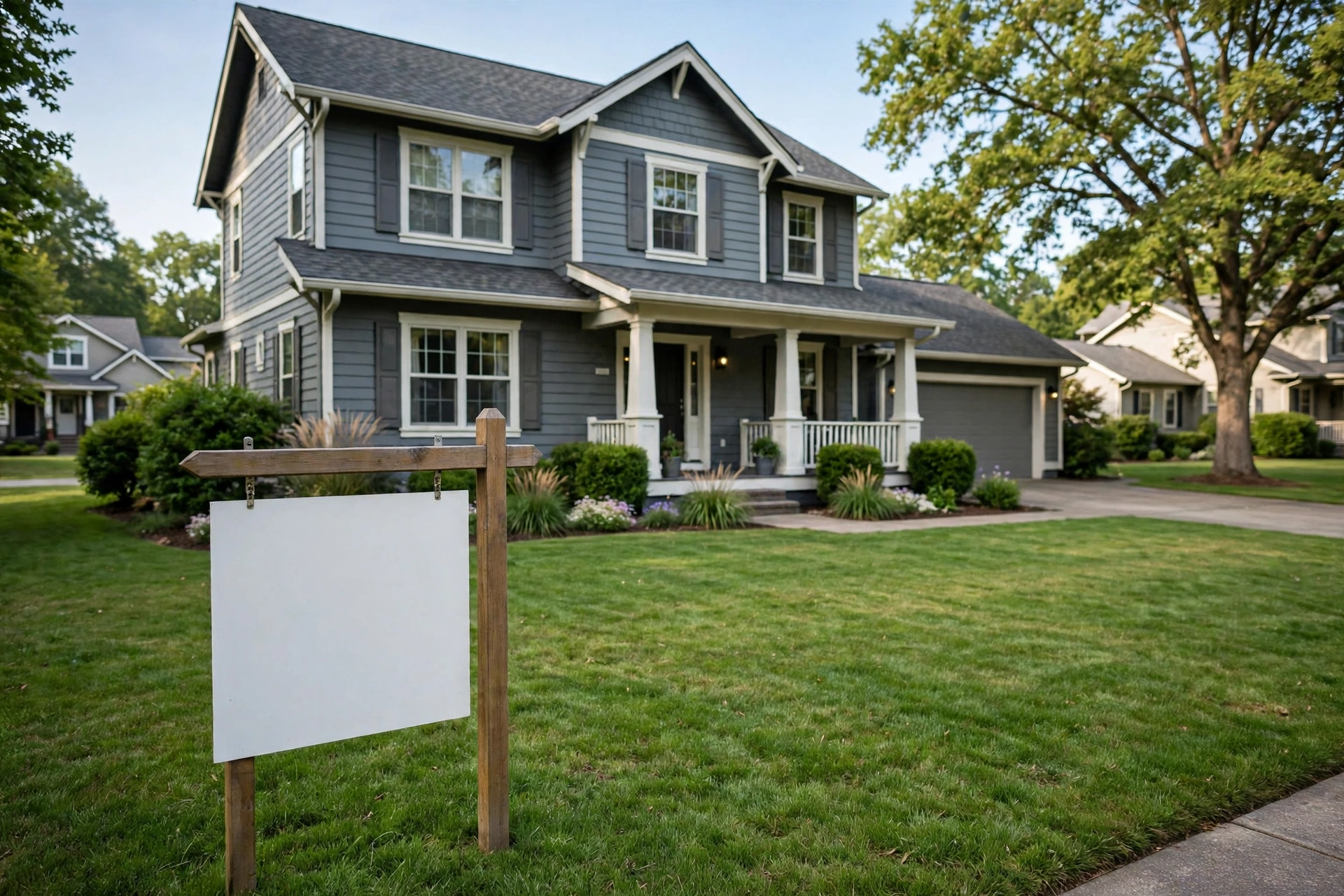
Use a yard sign. A clear for sale by owner sign with your phone number can attract local buyers and neighbours who may know someone looking to move into the area.
Use social media and local groups. Share your listing on local community groups, with photos and a link to the full listing. Ask friends to share it, and respond quickly to messages.
Hold an open house. An open house can attract several buyers at once, especially on a weekend. Advertise it online and with a sign, prepare the home, and have information sheets ready with the price, features, and your contact details.
Step 4: Show Your Home and Handle Inquiries
When buyers contact you, respond quickly and professionally. Many buyers will move on if they do not get a reply within a day.
Schedule showings at times that suit both you and the buyer. Be ready to show the home on evenings and weekends, when most buyers are free. Keep the home clean and tidy for every showing, and turn on lights before the buyer arrives.
During a showing, let the buyer look around without hovering, but be available to answer questions about the home, the neighbourhood, and the reason you are selling. Do not share too much personal information, such as financial stress or a deadline to move, as this can weaken your negotiating position.
Ask buyers if they are pre-approved for a mortgage, or if they have proof of funds if they are paying cash. A buyer who is pre-approved is more likely to complete the purchase than a buyer who has not spoken to a lender.
Keep a record of every showing, including the buyer’s name, contact details, and feedback. Feedback can help you adjust the price or fix an issue that is putting buyers off.
Be safe. Let someone know when you have a showing, keep valuables out of sight, and consider having another person with you.
Step 5: Receive and Evaluate Offers
When you receive an offer, review it carefully. An offer is more than just the price. It includes the terms that affect your net proceeds and your risk.
Check the offer price. Is it close to your asking price? Is it based on comparable sales? A low offer may be a starting point for negotiation, not a final price.
Check the financing. Is the buyer pre-approved? How much is the down payment? Is there a financing contingency, which allows the buyer to cancel if they cannot get a loan? A cash offer or a larger down payment is often stronger, even if the price is slightly lower.
Check the contingencies. Common contingencies include inspection, appraisal, financing, and sale of the buyer’s current home. Fewer contingencies usually mean a stronger offer, but you should also consider the buyer’s need for protection.
Check the closing date and the earnest money. Earnest money is a deposit the buyer pays to show they are serious, usually 1 to 2 percent of the price, held in escrow. A larger earnest money deposit can show stronger commitment.
Check for extra terms. Does the buyer ask for repairs, closing cost help, or personal property, such as appliances or furniture? These terms affect your net proceeds.
Do not accept the first offer immediately if it is below your price. You can counteroffer with a higher price, different terms, or a different closing date. Negotiate calmly and in writing, and keep a record of every offer and counteroffer.
Step 6: Negotiate and Accept an Offer
Negotiation is a normal part of selling a home. Most buyers expect to negotiate, and most sellers expect to counteroffer.
Set your bottom line before you negotiate. Know the lowest price you will accept, and the terms you will not accept, such as a very long closing or a large closing cost contribution. Stick to your bottom line, and be ready to walk away if the offer does not meet it.
Respond in writing. Make all offers and counteroffers in writing, with clear terms, dates, and signatures. Verbal agreements are hard to enforce and can lead to misunderstandings.
Be flexible on terms, not just price. If a buyer offers a lower price but a faster closing, no contingencies, or a larger earnest money deposit, that may be worth more than a higher price with many conditions.
Get help if needed. A real estate attorney can review offers and counteroffers, explain the terms, and help you negotiate. This is especially important for FSBO sellers, who do not have an agent to guide them.
Once you accept an offer, both sides sign a purchase agreement, which is a legally binding contract. Make sure you understand every term before you sign, and keep a copy for your records.
Step 7: Handle Inspection, Appraisal, and Paperwork
After you accept an offer, the buyer will usually have a home inspection, and the lender will order an appraisal.
Home inspection. The buyer hires an inspector to check the home for issues. The inspector may find problems you did not know about, such as a leaking roof or faulty wiring. The buyer may ask you to fix issues, lower the price, or give a credit for repairs. You can negotiate, fix the issue, or refuse, but refusing can cause the buyer to cancel if the contract allows it.
Appraisal. The lender orders an appraisal to confirm the home is worth the sale price. If the appraisal is lower than the sale price, the lender may not lend the full amount, and the buyer may ask you to lower the price, or the buyer may need to pay the difference in cash. This is a common issue in FSBO sales, especially if the home was overpriced.
Disclosures. Most states require sellers to disclose known defects, such as water damage, foundation issues, lead paint, or a history of flooding. You must complete a seller disclosure form honestly and completely. Failing to disclose a known issue can lead to a lawsuit after the sale.
Title and escrow. A title company or attorney will check the title to make sure you own the home and there are no liens or claims against it. They will also handle the escrow account, where the buyer’s earnest money and closing funds are held, and prepare the closing documents.
Keep all paperwork organised, respond quickly to requests, and do not make major changes to the home after you accept an offer, unless the contract allows it.
Step 8: Close the Sale
Closing is the final step, where ownership is transferred to the buyer and you receive payment.
Before closing, review the closing disclosure or settlement statement, which shows the sale price, the costs, and the amount you will receive. Check that the numbers match the contract, and ask the title company or attorney to explain any charges you do not understand.
On closing day, you will sign the deed, which transfers ownership, and other documents required by your state. The buyer will sign loan documents, if they have a mortgage, and pay the remaining funds.
After closing, the deed is recorded with the county, and you will receive the net proceeds, usually by wire transfer or cashier’s check, after the loan is paid off and closing costs are deducted.
Keep copies of all closing documents, and keep records for tax purposes. You may need to report the sale on your tax return, and you may owe capital gains tax if the home has increased in value and you do not qualify for an exclusion. Speak to a tax professional about the tax implications before you close, if possible.
A Real Example: Selling a 400,000 Dollar Home by Owner
Suppose you sell a home for 400,000 dollars by owner, with a buyer agent commission of 2.5 percent, or 10,000 dollars, and other selling costs of 3,000 dollars for attorney, title, photos, and listing fees.
Total selling costs: 13,000 dollars.
Net proceeds before mortgage payoff: 387,000 dollars.
If you had used a listing agent at 2.5 percent, or 10,000 dollars, plus the buyer agent at 2.5 percent, your total commission would be 20,000 dollars, plus 3,000 dollars in other costs, for a total of 23,000 dollars. Your net proceeds would be 377,000 dollars.
In this example, FSBO saves about 10,000 dollars. If the home sells for 10,000 dollars less due to weaker marketing or pricing, the saving disappears.
Common Mistakes to Avoid
Pricing too high is the most common FSBO mistake. A high price can leave the home on the market for months, and buyers may assume there is a problem with the home. Price based on comparable sales, not on what you need or what you paid for the home.
Poor photos and marketing is another mistake. Blurry photos, a cluttered home, or a vague listing description can turn buyers away before they visit. Invest in good photos and a clear description.
Not disclosing known issues can lead to legal trouble. Be honest on the disclosure form, and disclose any defect you know about, even if it seems minor.
Accepting a weak offer without checking financing is risky. A buyer without pre-approval or proof of funds may not be able to close, which can waste weeks. Ask for proof before you accept.
Trying to handle everything alone can also be a mistake. A real estate attorney, a title company, and a home inspector can help you avoid costly errors. Hiring help for key steps is still cheaper than a full listing commission in most cases.
Frequently Asked Questions
How much can I save by selling a house by owner?
You can save the listing commission, often 2.5 to 3 percent of the sale price. On a 400,000 dollar home, that is 10,000 to 12,000 dollars. You may still pay a buyer agent commission and other costs, so the net saving is often less than the full commission.
Do I need a lawyer to sell by owner?
It depends on your state. Some states require a real estate attorney for closing, while others allow a title company to handle it. Even if a lawyer is not required, hiring one to review the contract and disclosures is a smart step for most FSBO sellers.
What disclosures do I need to provide?
Most states require a seller disclosure form, listing known defects such as water damage, foundation issues, lead paint, and other problems. The exact form varies by state. Complete it honestly and completely, and ask an attorney if you are unsure what to disclose.
Conclusion
Selling a house by owner in the US in 2026 can save you thousands of dollars in listing commission, but it requires time, research, and careful attention to pricing, marketing, and paperwork.
Start with a realistic price based on comparable sales, prepare your home, market it professionally, and handle showings and offers in writing. Use a real estate attorney and a title company for the legal and closing steps, disclose known issues honestly, and do not accept an offer without checking the buyer’s financing.
If you have time and confidence, FSBO can be rewarding. If not, a listing agent may be worth the cost. Either way, sell for a fair price, in reasonable time, with a safe closing.
Disclaimer: This article is for general information only. It is not financial advice, tax advice, or legal advice. Real estate rules, disclosure requirements, and closing procedures change over time and vary by state. Please speak to a licensed real estate attorney or title professional in your state before selling a home by owner.