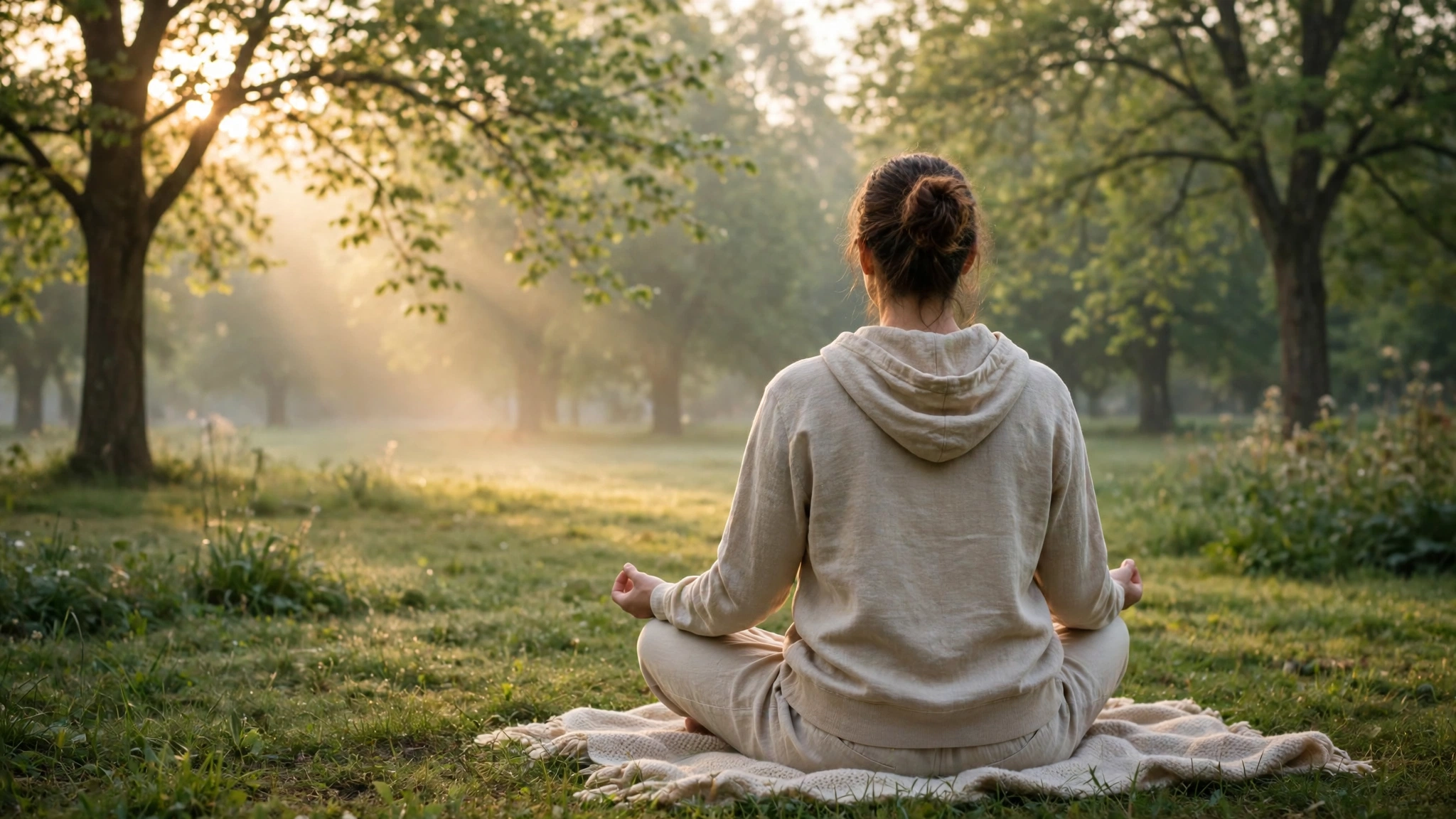
How to Manage Stress Naturally: 10 Proven Methods
Stress is a normal part of life. A deadline, a family problem, a health worry, or a busy week can all raise stress, and in small doses stress can even help you focus and act. Problems start when stress is constant, intense, or unrelenting, with no time to recover. Then it affects sleep, mood, appetite, blood pressure, immunity, and relationships, and it makes healthy habits harder to keep.
Managing stress naturally does not mean removing all stress from your life. That is not possible. It means building daily habits that lower your stress load, calm your body, and help you respond more steadily when pressure rises. This guide explains 10 proven methods that work for many people, in plain language, with practical steps you can start today. You do not need to do all 10 at once. Choose two or three that fit your life, practice them for a few weeks, and add more as they become habits.
This article is for general information only. It is not medical advice, a diagnosis, or treatment. Stress affects people differently, and some stress-related problems need professional care. Talk to a doctor or mental health professional if stress, anxiety, or low mood interfere with your daily life, sleep, work, or relationships for more than a few weeks. Seek urgent care if you feel unsafe, have thoughts of harming yourself, or have emergency symptoms such as chest pain or severe shortness of breath.
What Stress Does to Your Body
When you feel stressed, your body releases hormones such as cortisol and adrenaline. Your heart beats faster, your breathing quickens, your muscles tense, and your blood pressure rises. This is the fight-or-flight response, and it was designed to help you deal with a short-term threat. Once the threat passes, your body should return to calm. When stress is constant, your body stays in a heightened state, and that takes a toll.
Long-term stress is linked with poor sleep, headaches, muscle tension, stomach problems, higher blood pressure, higher blood sugar, weaker immune function, low mood, and anxiety. It can also lead to habits that make stress worse, such as overeating, drinking more alcohol, smoking, skipping exercise, and sleeping poorly. Recognizing these signs early helps you act before stress becomes overwhelming. Common signs include feeling on edge, trouble concentrating, irritability, tiredness, trouble sleeping, changes in appetite, and frequent headaches or muscle pain.
It helps to separate stress you can change from stress you cannot. You may not be able to change a difficult job, a family illness, or the cost of living, but you can often change how you respond, how you organize your day, who you talk to, and how you care for your body. The methods in this guide focus on those areas you can influence, and they work best together, not in isolation.
Method 1: Breathe Slowly to Calm Your Body
Slow breathing is one of the fastest ways to calm your stress response, and you can do it anywhere. When you breathe slowly and deeply, you signal to your nervous system that you are safe, your heart rate slows, and muscle tension eases. It takes only a few minutes, and it works better with practice.
Try this simple method. Sit comfortably, relax your shoulders, and breathe in slowly through your nose for about four seconds. Hold briefly if it feels comfortable, then breathe out slowly through your mouth for about six seconds. Repeat for three to five minutes. Focus on the breath, not on the worry. If your mind wanders, gently bring it back. You can use this before a stressful meeting, after an argument, or when you feel tense in traffic. A longer exhale than inhale is often calming, but do not force it. Breathe in a way that feels comfortable and steady.
Practice slow breathing once a day when you are calm, so it becomes easy to use when you are stressed. Pair it with a cue, such as after lunch or before bed, so you remember to do it. Over time, many people find they can calm themselves more quickly, and they notice tension earlier, before it builds into a headache or a sleepless night.
Method 2: Move Your Body Every Day
Movement is one of the most reliable stress relievers. It burns off stress hormones, releases mood-lifting chemicals, improves sleep, and gives your mind a break from worries. You do not need intense exercise to benefit. A brisk walk, a bike ride, dancing, gardening, or swimming all help. Aim for about 30 minutes of moderate activity on most days, broken into shorter walks if needed, plus muscle-strengthening activities twice a week.
If you feel too stressed to exercise, start small. A 10-minute walk outside is a good start. Walk during a phone call, take the stairs, or stretch for five minutes between tasks. Movement outdoors has extra benefits, because daylight, fresh air, and nature all support mood. Try to move in the morning or during the day, when it can improve energy and sleep that night. Avoid very intense exercise right before bed if it makes it harder to fall asleep.
Make movement enjoyable, not another source of stress. Choose activities you like, invite a friend or family member, listen to music or a podcast, and notice how you feel afterwards. If you have a health condition, talk to your doctor before starting a new exercise program, especially a vigorous one.
Method 3: Sleep Well and Protect Your Rest
Stress and sleep affect each other in both directions. Poor sleep makes stress harder to handle, and stress makes sleep harder. Breaking this cycle starts with protecting your sleep. Adults generally need seven to nine hours per night. Keep a regular bedtime and wake time, even on weekends, and build a calm wind-down routine in the last 30 to 60 minutes before bed.
Dim the lights, turn off work and news, and do something relaxing, such as reading, stretching, taking a warm shower, or practicing slow breathing. Keep your bedroom dark, quiet, and cool, and keep screens out of bed. Avoid caffeine in the afternoon and evening, and avoid alcohol close to bedtime, because alcohol disrupts sleep later in the night. If worries keep you awake, write them down earlier in the evening, with one small next step for each, so your mind does not have to hold them all night.
If you cannot fall asleep after about 20 minutes, get up, do something calm in dim light, and return to bed when sleepy. If sleep problems last for weeks, talk to a doctor. Good sleep is not a luxury. It is a foundation for stress management.
Method 4: Eat Regularly and Choose Steady Foods
When you are stressed, it is easy to skip meals, eat very quickly, or reach for salty, sweet, and fatty comfort foods. These habits can make stress worse, because low blood sugar, dehydration, and heavy meals affect energy and mood. Eating regularly helps keep energy steady and reduces cravings.
Aim for regular meals with a balance of vegetables, whole grains, protein, and healthy fats. Fill half your plate with vegetables, add a palm-sized portion of protein such as fish, chicken, beans, or eggs, and a fist-sized portion of whole grains such as brown rice or whole wheat bread. Drink water during the day, and limit sugary drinks, which can cause energy swings. Keep healthy snacks on hand, such as fruit, yogurt, or unsalted nuts, so you are not forced to choose vending machine snacks when hungry.
Limit alcohol, because it may feel relaxing at first but often worsens sleep, mood, and stress the next day. Limit caffeine if it makes you feel jittery or anxious, especially in the afternoon. Do not use food, alcohol, or smoking as your main stress coping tools, because they create new problems. If eating habits feel out of control, talk to a doctor or dietitian for support.
Method 5: Connect With Supportive People
Social connection is a powerful buffer against stress. Talking with a trusted friend, family member, or counselor can lower stress, give you a new perspective, and remind you that you are not alone. You do not need to share everything with everyone. Choose one or two people you trust, and make time to talk regularly, not only when a crisis hits.
Make time for connection in small ways. Eat a meal together, take a walk with a friend, call a family member, or join a group, class, or community activity you enjoy. Helping others can also reduce stress, because it gives a sense of purpose and connection. At the same time, it is okay to limit time with people who consistently increase your stress, and to set boundaries around difficult conversations.
If you feel isolated, start small. A short conversation, a community event, or a support group can be a first step. If stress, loneliness, or low mood persist, professional counseling can help, and many workplaces, schools, and communities offer low-cost or free support.
Method 6: Set Boundaries and Manage Your Time
Many people feel stressed because they have too much to do and too little time to recover. Setting boundaries is not selfish. It is how you protect your energy for what matters most. Start by noticing what drains you most. Is it work emails after hours, too many commitments, or saying yes to every request? Choose one boundary to set this week.
Practical time tools include making a short daily list of three priorities, breaking large tasks into smaller steps, and scheduling breaks. Work in focused blocks of 25 to 50 minutes, then take a short break to stand, stretch, or walk. Learn to say no, or to say not now, to requests that do not fit your priorities. Turn off non-urgent notifications, and set a time to check email and messages rather than responding all day.
At work, talk to your manager if workload, hours, or unclear expectations are causing stress. At home, share tasks fairly and ask for help when you need it. You cannot do everything, and trying to do so is a common cause of burnout. A realistic schedule with time for rest, movement, and connection is more productive in the long run than a packed schedule with no recovery.
Method 7: Practice Relaxation and Mindfulness
Relaxation practices train your body to calm down more easily. Mindfulness means paying attention to the present moment without judgment, and it can reduce stress, anxiety, and rumination. You do not need to meditate for an hour a day to benefit. Even five to ten minutes a day can help.
Try a simple mindfulness practice. Sit quietly, close your eyes if comfortable, and notice your breath, the sounds around you, and the sensations in your body. When thoughts arise, notice them and gently return to your breath. You can also practice mindfulness while walking, eating, or washing dishes, by focusing fully on what you are doing. Guided recordings, apps, and classes can help you learn, but choose a reputable source and a practice that feels comfortable.
Other relaxation tools include progressive muscle relaxation, where you tense and then relax each muscle group, gentle yoga or stretching, listening to calm music, spending time in nature, and keeping a gratitude journal. Write down three things you are grateful for each day, or three things that went well. This simple habit can shift attention from what is wrong to what is working, and it supports a steadier mood over time.
Method 8: Spend Time Outdoors and in Nature
Time outdoors is a simple, low-cost stress reliever. Daylight helps regulate your body clock and mood, fresh air and movement help your body relax, and nature provides a break from screens and noise. Even a short walk in a park, a garden, or a quiet street can lower stress. Aim for at least 20 to 30 minutes outdoors most days, if you can.
Make outdoor time easy. Walk during lunch, eat outside when weather allows, garden, or sit in a park for a few minutes. Leave your phone in your pocket and notice the trees, sky, and sounds around you. If you live in a city, look for green spaces, community gardens, or walking paths. If you work indoors, sit near a window and take outdoor breaks when possible.
Nature is not a cure for serious stress or mental health problems, but it is a useful part of a stress plan. Combine it with sleep, movement, connection, and other methods for the best effect.
Method 9: Limit News, Screens, and Constant Input
Constant news, social media, and notifications can keep your stress system activated all day. You may feel the need to stay informed, but checking news and social media every hour increases worry and makes it harder to rest. Set limits that work for you.
Choose one or two times a day to check news, from a reliable source, and avoid news in the hour before bed. Turn off push notifications for non-urgent apps, and set specific times to check email and messages. Take regular screen breaks, especially during meals and before bed. Use the time you save for sleep, movement, connection, or a hobby you enjoy.
Social media can also increase stress through comparison. Remember that most posts show only highlights, not real life. If certain accounts make you feel worse, unfollow or mute them. If you notice you feel more anxious after scrolling, try a screen-free evening or a weekend break and notice how you feel.
Method 10: Build a Daily Stress Routine
Stress management works best as a daily routine, not as an emergency fix. Build a simple routine that includes the methods that help you most. A sample day might look like this. Morning: wake at a regular time, get daylight, take a short walk, and eat a balanced breakfast. Midday: take a real lunch break, walk outside, and connect with a colleague or friend. Evening: dim lights, limit screens, do a relaxing activity, practice slow breathing, and go to bed at a regular time.
Keep a simple stress diary for one or two weeks. Note what stressed you, how you responded, and what helped. Look for patterns. Did a walk help? Did a late coffee make sleep worse? Did a boundary at work reduce tension? Use what you learn to adjust your routine. Keep the routine realistic. A 10-minute walk, five minutes of breathing, and a regular bedtime are more sustainable than a long list of new habits you cannot keep.
If you have a stressful event coming up, prepare in advance. Plan your sleep, meals, and movement, arrange support, break the task into steps, and practice a calming technique beforehand. Preparation reduces uncertainty, which is a major source of stress.
When Stress Needs Professional Help
Natural methods help many people, but they do not replace professional care when stress is severe or persistent. Seek help if stress, anxiety, or low mood interfere with your work, relationships, sleep, or daily functioning for more than a few weeks, if you feel overwhelmed most days, if you rely on alcohol, drugs, or smoking to cope, or if you have panic attacks, persistent sadness, or thoughts of harming yourself. In the United States, if you are in crisis, call or text 988 for the Suicide and Crisis Lifeline, or call 911 in an emergency.
A doctor or mental health professional can assess your situation, rule out medical causes, and suggest treatments such as counseling, cognitive behavioral therapy, support groups, or, when needed, medication. Therapy can teach practical skills for managing stress, anxiety, and low mood, and it is often more effective long term than trying to cope alone. Asking for help is a sign of strength, not weakness, and early help often leads to better outcomes.
Be careful with supplements, herbal products, and online programs that promise quick stress relief. Some products can interact with medicines or cause side effects, and many have little reliable evidence. Talk to your doctor or pharmacist before taking any supplement for stress, anxiety, or sleep.
Frequently Asked Questions
How quickly do natural stress methods work?
Slow breathing and a short walk can help within minutes, but lasting stress reduction usually takes two to four weeks of steady habits. Sleep, movement, and routine changes build over time. Keep a simple diary, be patient, and adjust your plan based on what helps you most.
What is the best natural method for stress?
There is no single best method. Movement, sleep, slow breathing, social connection, and time management help most people, but the best method is the one you will actually use regularly. Start with two or three methods that fit your life, and add more as they become habits.
Can stress cause physical symptoms?
Yes. Stress can cause headaches, muscle tension, stomach problems, tiredness, sleep problems, and higher blood pressure. If physical symptoms are new, severe, or persistent, talk to a doctor to rule out other causes, rather than assuming stress alone is the reason.
Should I quit caffeine if I am stressed?
Caffeine can increase jitteriness and anxiety in some people, especially in large amounts or late in the day. Try limiting caffeine to the morning, reducing the amount gradually, and noticing how you feel over one to two weeks. You do not need to quit completely unless it helps you.
How do I manage stress at work?
Set clear priorities, break tasks into smaller steps, take short breaks, limit after-hours email when you can, and talk to your manager about workload or unclear expectations. Build in recovery time outside work, with sleep, movement, and connection, so work stress does not carry into every part of your life.
Conclusion
Managing stress naturally is about building a life that includes recovery, not just pressure. Breathe slowly, move daily, sleep well, eat regularly, connect with supportive people, set boundaries, practice relaxation, spend time outdoors, limit constant input, and keep a simple daily routine. Start with two or three methods this week, practice them steadily, and notice what helps. Give new habits time to work, and seek professional help if stress persists or interferes with your life. You cannot control every stressful event, but you can build habits that help you face them with a calmer body, a clearer mind, and more energy for what matters.
Disclaimer: This article is for general information only. It is not medical advice, diagnosis, or treatment. Stress and mental health needs vary by person. Talk to a doctor or other qualified health professional if stress, anxiety, or low mood interfere with your daily life, or before starting supplements or major lifestyle changes. If you are in crisis in the United States, call or text 988, or call 911 in an emergency.