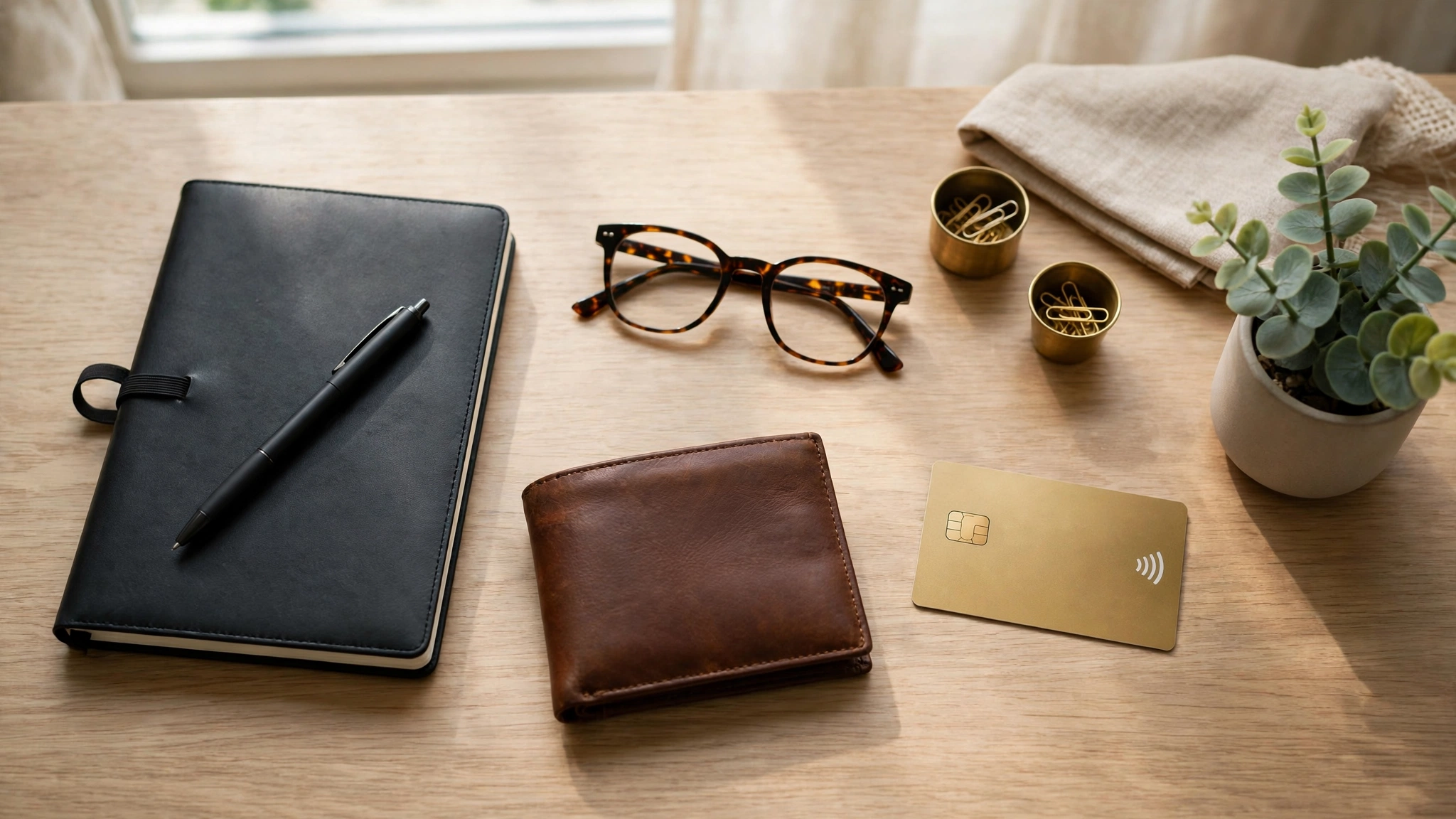
Best Credit Cards for Beginners in the US 2026
Your first credit card is more than a way to pay for things. In the United States, it is one of the main tools for building a credit history, and that history follows you for years. Landlords check it when you apply for an apartment. Lenders check it when you apply for a car loan or a mortgage. Some employers and insurers check a version of it too. A good first card, used carefully, can help you build a strong credit score. A bad first card, or a good card used badly, can do the opposite.
The problem for beginners is choice. There are hundreds of cards, and most of the advertising is aimed at people who already have good credit and high spending. If you are 18, a college student, a new immigrant, or simply someone who has never had a card before, many of the famous travel and cash back cards will not approve you yet. That is normal. You do not need the best card in the country. You need the best card for your situation right now.
This guide explains the best credit cards for beginners in the US in 2026. You will learn what makes a card good for a beginner, the main types of starter cards, how to compare them, and how to use your first card without falling into debt. You will also see the mistakes that hurt beginners most, and a simple plan for your first year.
This article is for general information only. It is not financial advice. Card terms, fees, interest rates, and rewards change often, and they vary by issuer and by applicant. Always check the current terms on the card issuer’s own website before you apply, and consider speaking to a licensed financial adviser if you need personal advice.
What Makes a Credit Card Good for Beginners?
A beginner card is not judged the same way as a card for an experienced cardholder. A person with a long credit history can chase the highest cash back rate or the best travel points. A beginner should judge a card by five simpler things.
First, approval odds. A good beginner card is designed for people with little or no credit history. If a card normally requires good or excellent credit, it is not a beginner card, no matter how good its rewards look. Applying for cards you are unlikely to get can lead to rejected applications, and each application usually adds a hard inquiry to your credit report.
Second, fees. Many beginner cards have no annual fee. That matters, because you want to keep your first card open for a long time. A long account history helps your credit score. If your first card has a high annual fee, you may want to close it later, and that can shorten your average account age. A no-annual-fee card is easier to keep forever.
Third, simplicity. Your first card should be easy to understand. A flat cash back rate on every purchase, or a simple secured card with a deposit, is easier to manage than a card with rotating bonus categories, spending caps, and complicated point transfers. You can move to a complex rewards card later, once you understand how you spend.
Fourth, credit reporting. The card must report your payments to all three major credit bureaus in the US: Equifax, Experian, and TransUnion. Almost all major issuer cards do this, but some small store cards and prepaid cards do not. A prepaid debit card does not build credit at all, because it is not credit. Before you apply, confirm that the card reports to all three bureaus.
Fifth, a path to grow. The best beginner cards let you move up. A secured card should offer a chance to get your deposit back and graduate to an unsecured card. A student card should let you move to a regular card from the same issuer after a year or two of good payments. A card with no upgrade path is not a bad card, but a card with one is better.
If a card meets those five tests, it is worth considering. If it fails on fees or reporting, skip it, even if the advertising looks attractive.
How Credit Cards Work: The Basics You Need First
Before you choose a card, make sure you understand how it works. A credit card is not free money. When you use it, you are borrowing money from the card issuer. At the end of each billing cycle, usually about a month, you get a statement. That statement shows what you spent, the minimum payment due, the full statement balance, and the due date.
If you pay the full statement balance by the due date, you usually pay no interest on purchases, thanks to the grace period. The grace period is typically at least 21 days after the statement closes. This is the single most important habit for a beginner. Pay in full, every month, on time, and a credit card costs you nothing in interest.
If you pay only the minimum, or any amount less than the full balance, the rest carries over to the next month and interest is charged. Credit card interest rates, called APR, are high compared with other loans. Many cards charge an APR in the high teens or twenties, and rates vary by card and by applicant. A balance of 1,000 dollars carried for a year at a high APR can cost hundreds of dollars in interest. That is how a small balance becomes a large debt.
Your credit limit is the maximum you can borrow on the card. For a beginner, this is often low, perhaps 200 to 1,000 dollars on a first unsecured card, or equal to your deposit on a secured card. A low limit is normal. It protects you and the issuer while you build a history.
Two other terms matter. A late payment fee can be charged if you miss the due date, and a missed payment can be reported to the credit bureaus if it is 30 days or more late. A cash advance, which means taking cash out with your credit card, usually has a higher APR, a fee, and no grace period. Beginners should avoid cash advances completely.
The Main Types of Beginner Credit Cards
There are four main types of cards for beginners in the US. Most people will fit into one of them.
Secured credit cards are the most common starting point for people with no credit history or a low score. You pay a refundable security deposit, often 200 dollars, and that amount usually becomes your credit limit. You use the card like a normal card, and the issuer reports your payments to the credit bureaus. After six to twelve months of on-time payments, many issuers will review your account, return your deposit, and upgrade you to an unsecured card. The deposit is not a fee. You get it back if you close the account in good standing or graduate, as long as you have no unpaid balance. A secured card is a good choice if you have no credit file at all, or if you have been turned down for unsecured cards.
Student credit cards are for college students. They are unsecured, which means no deposit is needed, but they usually have low limits and are designed for limited credit history. Many student cards offer a small cash back reward and no annual fee. Some also offer a small bonus for good grades or for on-time payments. To apply, you usually need to show some income, which can include a part-time job, and you must be at least 18. If you are under 21, federal law in the US requires you to show independent income or have a co-signer to get a card on your own. A student card is a good choice if you are in college and have some income.
Starter unsecured cards are regular cards aimed at people with limited or fair credit. They have no deposit, no annual fee in many cases, and a simple flat cash back rate, often around 1 to 2 percent on purchases. The credit limit is usually low at first and can grow over time. These cards suit people who have a thin credit file, perhaps from a small loan or being an authorized user on someone else’s card, but who do not want to put down a deposit.
Authorized user cards are not a card you apply for yourself. A parent, spouse, or trusted family member adds you to their existing card. You get a card with your name on it, and the account history may appear on your credit report. This can help you build a history before you apply for your own card. It also carries risk. If the main cardholder misses payments or carries a high balance, it can hurt your score too. Only become an authorized user on an account owned by someone with a strong payment history and low balances, and make sure you understand who is responsible for paying the bill.
For most beginners, the choice is simple. If you are a student with income, look at student cards first. If you have no credit history and no student status, look at secured cards first. If you have a thin file and some history, look at starter unsecured cards. If a trusted family member has excellent credit, becoming an authorized user can be a helpful step alongside your own card, not a replacement for it.
What to Look for Before You Apply
Once you know which type fits you, compare cards on the details that matter for a beginner.
Check the annual fee first. For a first card, no annual fee is usually best. Some secured cards and starter cards do charge a small annual fee. If the fee is low and the card is the only one you can get, it may still be worth it for a year while you build credit, but a no-fee card is better if you can get one.
Check the APR, but do not over-focus on it. The APR only matters if you carry a balance. If you plan to pay in full every month, which you should, the APR will not cost you anything on purchases. Still, a lower APR is better as a safety net, because life happens and a month may come when you cannot pay in full. Avoid cards with very high APRs combined with fees if you have a no-fee choice.
Check the rewards, but keep them in perspective. Cash back is the simplest reward for a beginner. A flat rate on every purchase is easy to understand. Avoid chasing a large sign-up bonus that requires you to spend a large amount in the first three months. A beginner should never spend extra just to earn a bonus. The bonus is not worth it if it leads to debt.
Finally, check the issuer’s reputation for customer service and for graduation or credit limit increases. A large, well-known issuer with a clear path to a better card is often a safer choice for a first card than a small issuer with unclear terms. Read the fine print, especially the fees section, before you apply.
How to Choose the Right First Card for You
Use your own situation to narrow the choice. Answer four questions honestly.
First, what is your credit history? If you have never had a loan or a card, you have no file or a very thin file. A secured card or a student card is the realistic starting point. If you have a small loan you paid on time, or you were an authorized user for a year, a starter unsecured card may be possible. You can check your credit reports for free at AnnualCreditReport.com, the official site authorized by federal law. Your reports will show what lenders see.
Second, do you have income? Card issuers must check your ability to pay. For a student card or a starter card, part-time job income, freelance income, or other regular income counts. Be honest on the application. Do not inflate your income. If your income is very low or irregular, a secured card with a small deposit is often easier to get.
Third, how will you use the card? If you plan to use it for small, regular purchases like groceries and fuel, and pay in full each month, a simple cash back card is a good fit. If you want to build credit as safely as possible, a secured card with a 200 dollar deposit and one small recurring bill on it is a good fit. If you travel abroad, look for no foreign transaction fee. Your spending pattern matters more than the highest advertised reward.
Fourth, can you pay a deposit? A secured card requires money up front. If 200 dollars is hard to find, save for it first, or look at student or starter unsecured cards. Do not borrow money to pay a security deposit. The deposit should come from savings you can set aside.
Once you have answers, shortlist two or three cards that fit. Compare their fees, APR, rewards, and upgrade path side by side. Then apply for one card only. Applying for several cards at once can lead to multiple hard inquiries and several rejections, which does not help your score. If you are rejected, wait, find out why from the letter the issuer must send you, and fix the issue before you apply again.
A Real Example: Maya’s First Year With a Secured Card
Maya is 22, works part-time while studying, and has never had a credit card. She applies for a secured card with a 200 dollar deposit and no annual fee. Her credit limit is 200 dollars.
In month one, she uses the card only for a 45 dollar phone bill and a 30 dollar grocery shop. Her total is 75 dollars, which is under 40 percent of her limit. She sets up autopay for the full statement balance. The payment is made on time.
She repeats this pattern. She never uses the card for large purchases she cannot pay off. She checks her statement each month and her credit score every few months through the issuer’s free tool. After six months of on-time payments, her score has started to build. After twelve months, the issuer reviews her account, returns her 200 dollar deposit, and upgrades her to an unsecured card with a higher limit.
Maya did not earn large rewards in that year. She earned something more valuable: a credit history with no missed payments and no debt. In year two, she can apply for a better cash back card from a position of strength. That is how a beginner card is supposed to work.
How to Use Your First Card Without Getting Into Debt
Getting the card is the easy part. Using it well is the skill. Follow these rules for your first year.
Pay in full every month. This is the golden rule. Set up autopay for the full statement balance, and also set a reminder a few days before the due date to check that the payment went through. If autopay is not available, pay manually at least a week early.
Keep your balance low. Credit scoring models look at how much of your limit you use, called credit utilization. Using a high share of your limit can lower your score, even if you pay on time. As a guide, try to keep your reported balance under 30 percent of your limit, and under 10 percent is even better for your score. On a 500 dollar limit, that means keeping the statement balance under 150 dollars, and ideally under 50 dollars. If you need to make a larger purchase, pay part of it off before the statement closes.
Use the card regularly, but lightly. A card that is never used may not help your score as much, and the issuer may close it for inactivity after a long time. One or two small purchases a month, paid in full, is enough. You do not need to use the card every day.
Never miss a payment. A single payment that is 30 days late can stay on your credit report for years and can drop your score sharply. If you think you will miss a payment, contact the issuer before the due date. Many issuers will work with you, but you must ask early.
Do not take cash advances. Do not use the card to buy things you cannot afford. Do not lend your card to friends. Your card, your history, your responsibility.
Check your statements every month. Look for charges you do not recognize. If you see fraud, report it to the issuer right away. Federal law limits your liability for unauthorized credit card charges, but you need to report them promptly.
Common Beginner Mistakes to Avoid
The most common mistake is applying for too many cards at once. Each application can add a hard inquiry. Several inquiries in a short time can signal risk to lenders. Apply for one card, wait for the decision, and learn from it.
The second mistake is carrying a balance to build credit. This is a myth. You do not need to carry a balance or pay interest to build credit. Paying in full every month builds credit just as well, and it costs you nothing in interest. The credit bureaus see on-time payments, not interest paid.
The third mistake is maxing out the card. A beginner with a 300 dollar limit who spends 290 dollars every month will have very high utilization, even if they pay in full. Keep spending low relative to the limit.
Frequently Asked Questions
Do I need a credit card to build credit in the US?
No, but it is one of the easiest ways. A credit card, a car loan, a student loan, or a credit-builder loan can all build credit if payments are reported and made on time. A credit card is often the simplest starting point because you control the spending and the payments.
What credit score do I need for my first card?
There is no single number. Secured cards and many student cards are designed for people with no score at all. Starter unsecured cards are often aimed at people with limited or fair credit. If you have no file, do not worry about the score yet. Focus on getting a card that reports to all three bureaus and paying on time.
How long does it take to build a good credit score?
You can usually get a first credit score after about six months of reported activity. Building a good score takes longer, often one to two years of consistent on-time payments and low utilization. There is no shortcut. Time and consistency matter more than any trick.
Is a secured card a bad sign?
No. A secured card is a normal, respected way to start. Millions of people in the US have used one. The deposit is refundable, and graduation to an unsecured card is a common next step. What matters is how you use it, not how you started.
Can I get a credit card with no income?
It is very hard. Issuers must assess your ability to pay. If you have no income of your own, you may need to become an authorized user first, or wait until you have regular income. Students under 21 need to show independent income or have a co-signer under federal rules.
Conclusion
The best credit card for beginners in the US in 2026 is not the card with the flashiest rewards. It is the card you can get, keep for free, understand easily, and pay in full every month. For most people, that is a no-annual-fee secured card, a student card, or a simple starter cash back card.
Choose one card that fits your history and income. Use it for small, planned purchases. Keep your balance low. Pay in full and on time, every month. Check your statements and your score. After a year of steady habits, you will have a real credit history, and better cards will be within reach.
Start small, stay consistent, and let time do the work. Your first card is the foundation. Build it well, and the rest of your financial life in the US will be easier.
Disclaimer: This article is for general information only. It is not financial advice, tax advice, or investment advice. Card terms, fees, interest rates, rewards, and approval rules change often and vary by issuer, state, and applicant. Always check the current terms on the card issuer’s own website before applying. Please speak to a licensed financial adviser before making a financial decision.