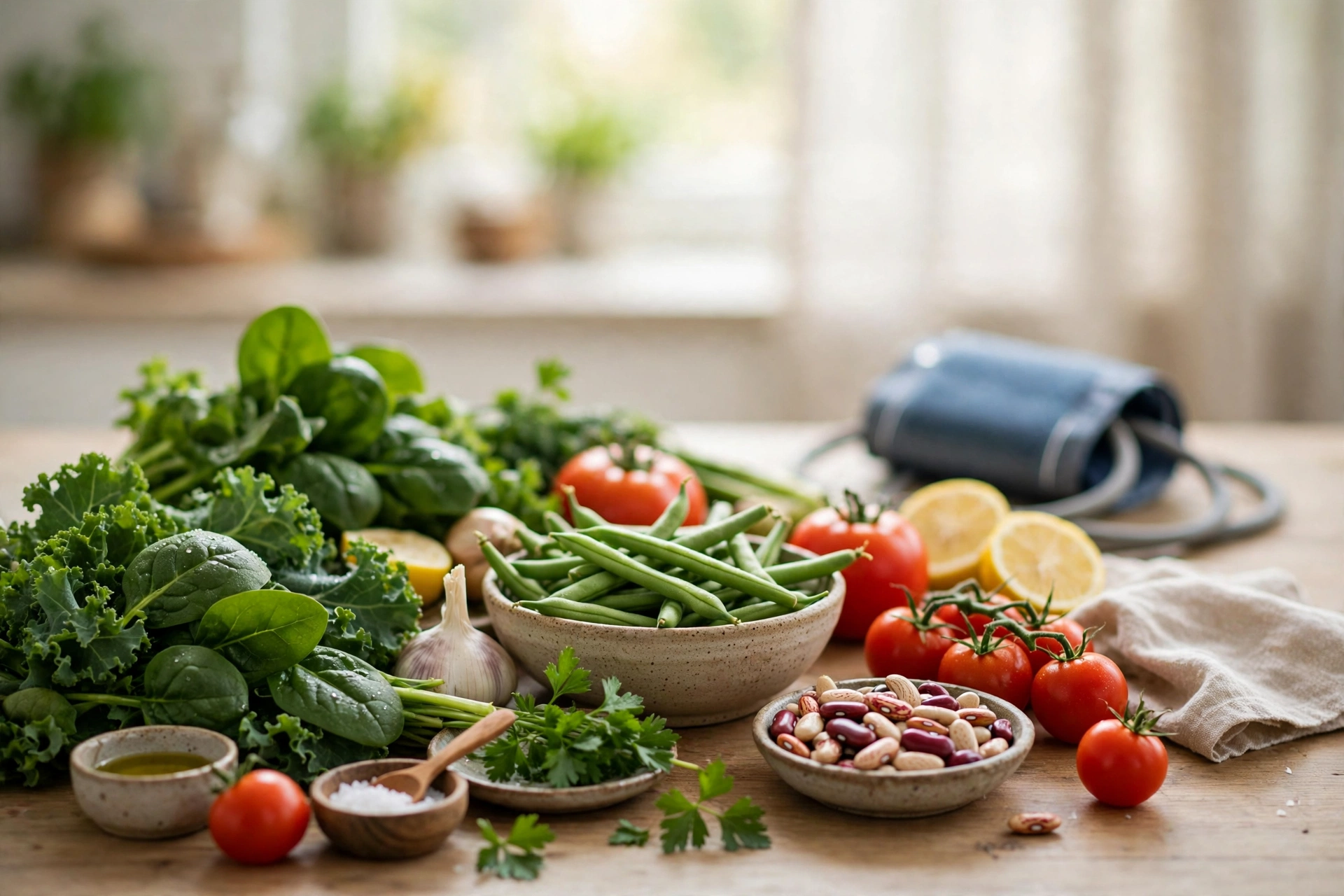
How to Lower Blood Pressure Naturally: Complete Guide 2026
Blood pressure is one of the most important numbers for your long-term health, and it is also one of the easiest to overlook. Many people feel completely fine while their blood pressure is higher than it should be, which is why high blood pressure is often called a silent condition. It does not usually cause obvious symptoms day to day, but over time it can put extra strain on your heart, blood vessels, kidneys, and brain. The good news is that everyday habits make a real difference. Food choices, movement, sleep, weight, alcohol, smoking, and stress all influence blood pressure, and small steady changes often add up to meaningful results.
This guide explains how to lower blood pressure naturally in 2026, step by step. You will learn what the numbers mean, which habits matter most, and when natural approaches are not enough on their own. This article is for general information only, not medical advice or a diagnosis. Talk to a doctor before changing your diet, supplements, activity, or medication. If you have very high readings, chest pain, severe headache, vision changes, or shortness of breath, seek urgent medical care.
What Blood Pressure Means
Blood pressure is the force of blood pushing against the walls of your arteries as your heart pumps. It is measured with two numbers. The first number, systolic pressure, measures the pressure when your heart beats and pushes blood out. The second number, diastolic pressure, measures the pressure when your heart rests between beats. A reading is written as systolic over diastolic, for example 120 over 80, usually written as 120/80 mmHg.
In the United States, a normal reading is generally below 120/80. Readings from 120 to 129 systolic with diastolic below 80 are often called elevated. Readings of 130/80 or higher on more than one occasion are often used to describe high blood pressure, also called hypertension, though the exact label depends on your overall health, your age, other conditions, and your doctor’s judgment. There are also stages within high blood pressure, and very high readings need prompt medical attention. Do not try to diagnose yourself from one reading alone. Blood pressure changes through the day, and it can rise temporarily with stress, caffeine, pain, a full bladder, or recent activity.
Why High Blood Pressure Matters
High blood pressure matters because it increases the workload on your heart and damages artery walls over time. When arteries are under constant high pressure, they can become less flexible, narrower, or damaged. That raises the risk of heart attack, stroke, heart failure, kidney disease, vision problems, and memory problems. These risks build quietly over years, which is why early action is valuable even when you feel well.
You cannot feel most blood pressure changes, so regular checks matter. Many adults in the United States have high blood pressure, and many do not know it. Checking your blood pressure at least once a year, or more often if you have risk factors, is a simple habit that can catch a problem early. Risk factors include older age, family history, carrying extra weight, a diet high in sodium and low in potassium-rich foods, low physical activity, heavy alcohol use, smoking, poor sleep, long-term stress, and certain health conditions such as diabetes or kidney disease. Some of these you cannot change, like family history and age. Many others you can influence with daily habits, and that is where this guide focuses.
Reduce Sodium Without Giving Up Flavor
Sodium is one of the biggest dietary influences on blood pressure for many people. Sodium is found in salt, and most of the sodium most Americans eat does not come from the salt shaker. It comes from packaged foods, restaurant meals, bread, cheese, processed meats, sauces, soups, frozen meals, and takeout. A single restaurant meal can contain more sodium than a whole day’s target, without tasting very salty.
General guidance in the United States often suggests aiming for less than 2,300 milligrams of sodium per day, with an even lower target around 1,500 milligrams per day offering more benefit for many adults with high blood pressure. Your own target may differ, so ask your doctor what is right for you, especially if you have kidney disease or other conditions. The goal is not to reach a perfect number overnight. It is to reduce sodium steadily.
At home, cook more meals from basic ingredients so you control the salt. Use herbs, garlic, onion, lemon juice, vinegar, black pepper, chili, cumin, paprika, and other spices for flavor instead of extra salt. Taste food before adding salt at the table, and try leaving the salt shaker off the table for a few weeks while your taste buds adjust. Many people find that after two or three weeks, foods they once found bland taste fine, and very salty foods start to taste too strong.
Eat More Potassium-Rich Foods
Potassium helps balance sodium in the body and supports healthy blood pressure for many people. Most Americans get less potassium than recommended, partly because diets low in fruits, vegetables, beans, and whole foods are also low in potassium. Eating more potassium-rich foods is one of the simplest dietary shifts you can make.
Good sources include bananas, oranges, potatoes, sweet potatoes, tomatoes, spinach, beans, lentils, yogurt, milk, nuts, seeds, and fish. A plate that is half vegetables, with a serving of beans or lentils a few times a week, naturally raises potassium while also adding fiber. You do not need a special supplement to get more potassium, and potassium supplements are not right for everyone. In fact, too much potassium can be harmful for people with kidney disease or people taking certain blood pressure medicines. Get potassium from food first, and talk to your doctor before taking a potassium supplement or a salt substitute that contains potassium chloride.
The DASH eating pattern, which stands for Dietary Approaches to Stop Hypertension, is built around this idea. It emphasizes fruits, vegetables, whole grains, low-fat dairy, beans, nuts, fish, and poultry, while limiting red meat, sweets, sugary drinks, and foods high in sodium, saturated fat, and added sugar. Research over many years has linked the DASH pattern with lower blood pressure, especially when combined with lower sodium. You do not need to follow it perfectly. Start with two or three DASH habits, such as adding a vegetable to lunch and dinner, swapping one processed snack for fruit and nuts, and choosing whole grains most of the time.
Follow a Heart-Friendly Eating Pattern
Beyond sodium and potassium, the overall pattern of your diet matters. A heart-friendly pattern is rich in fiber, low in saturated fat, and built around whole foods. Fiber helps with weight, blood sugar, and cholesterol, and many high-fiber foods are also rich in potassium and magnesium, two minerals linked with healthy blood pressure.
Build most meals around vegetables, fruits, whole grains, beans, lentils, nuts, seeds, fish, and poultry. Choose whole wheat bread, brown rice, oats, and whole grain pasta more often than refined versions. Add beans or lentils to soups, salads, and tacos. Snack on fruit, unsalted nuts, or yogurt instead of chips, cookies, or candy most of the time. These swaps are not about perfection. They are about making the healthier choice the easier, more common choice.
Limit saturated fat by choosing lean proteins, trimming visible fat from meat, and using olive oil or other unsaturated oils in place of butter, lard, or solid shortening for cooking. Limit processed meats such as bacon, sausage, hot dogs, and deli meats, which are often high in both sodium and saturated fat. Limit sugary drinks, including soda, sweet tea, energy drinks, and many fruit drinks, because they add calories without helping you feel full, and a pattern high in added sugar is linked with poorer heart health.
Magnesium and calcium also support blood pressure health, and a varied diet usually provides them. Talk to your doctor or pharmacist before taking any supplement, because supplements can interact with medicines and are not safe for everyone.
Move More Every Day
Regular physical activity is one of the most effective natural ways to support healthy blood pressure. Movement helps your heart pump more efficiently, helps blood vessels stay flexible, supports weight management, improves sleep, and reduces stress. You do not need intense activity to benefit. Brisk walking, cycling, swimming, dancing, gardening, and other activities that raise your heart rate all count.
General guidance for adults is to aim for about 150 minutes of moderate activity per week, or about 75 minutes of vigorous activity, plus muscle-strengthening activities on two or more days per week. Moderate activity means you can talk but not sing while you move. Brisk walking is a good example. If 150 minutes sounds like a lot, break it into smaller pieces. Ten minutes here and ten minutes there add up, and even short bouts of movement are better than none. Start with what you can do now, and build up gradually over several weeks.
Aim to move on most days of the week, and try not to go more than a day or two without activity. Consistency matters more than intensity at the start. A daily 30-minute walk after lunch or dinner is a realistic goal for many people, and it also helps with blood sugar and digestion. If you sit for long periods at work, stand up and move for a few minutes every hour. Take the stairs when you can, park a little farther away, and walk for short errands when it is safe to do so.
Add some muscle-strengthening activity twice a week, such as bodyweight exercises, resistance bands, or light weights. Stronger muscles support metabolism and overall fitness, and they make daily tasks easier. If you have high blood pressure, heart disease, or another health condition, talk to your doctor before starting a new exercise program, especially a vigorous one, and learn safe technique first. Stop and seek care if you feel chest pain, severe shortness of breath, dizziness, or faintness during activity.
Lose Extra Weight Gradually If Needed
Carrying extra weight, especially around the waist, is linked with higher blood pressure. Losing even a modest amount of weight can help lower blood pressure for many people. You do not need to reach an ideal weight to see benefits. A gradual loss of five to ten percent of body weight is a realistic goal for many adults, and it can make a real difference.
The safest way to lose weight is slowly, through a combination of eating slightly fewer calories, choosing more filling foods, and moving more. Aim for about one to two pounds per week at most, and focus on habits you can keep for months and years, not on a crash diet. Crash diets and very low-calorie plans are hard to sustain, can cause muscle loss and low energy, and often lead to regaining the weight. Talk to your doctor or a registered dietitian if you want a personal plan, especially if you have diabetes, kidney disease, or take medication that affects weight or appetite.
Practical habits include regular meals, half a plate of vegetables, water instead of sugary drinks, eating slowly, and planning meals in advance. Sleep and stress also affect appetite, so working on them is part of weight management.
Limit Alcohol and Quit Smoking
Alcohol can raise blood pressure, and the effect increases with the amount you drink. Heavy drinking is a clear risk factor for high blood pressure, heart disease, stroke, and liver disease. If you drink alcohol, drinking less is a direct way to support healthy blood pressure. Many health guidelines suggest that adults who drink should limit alcohol to one drink or less per day for women and two drinks or less per day for men, with some experts recommending even less. A standard drink is about 12 ounces of regular beer, 5 ounces of wine, or 1.5 ounces of distilled spirits. If you have high blood pressure, talk to your doctor about what limit, if any, is right for you. Some people benefit most from avoiding alcohol altogether, especially if they have trouble limiting intake or take medicines that interact with alcohol.
Smoking raises blood pressure temporarily with each cigarette, damages blood vessel walls, and greatly increases the risk of heart attack and stroke. There is no safe level of smoking. Quitting is one of the most powerful steps you can take for your heart and blood vessels, and blood pressure and heart risk start to improve soon after quitting. Quitting can be hard, and many people need more than one attempt, but help is available. Talk to your doctor about quit-smoking medicines, nicotine replacement, counseling, quitlines, and support programs. In the United States, the national quitline 1-800-QUIT-NOW can connect you with free support. Avoid secondhand smoke when you can, and ask others not to smoke around you indoors.
Caffeine affects blood pressure differently from person to person. For some people, caffeine causes a short-term rise in blood pressure, while regular coffee drinkers may develop some tolerance. If you are sensitive to caffeine, notice a rise after coffee, or have trouble sleeping, try limiting coffee, tea, energy drinks, and other caffeinated drinks, especially later in the day. Do not stop caffeine suddenly if you drink a lot every day, because that can cause headaches and tiredness. Reduce gradually, and talk to your doctor if you are unsure.
Sleep Well and Manage Stress
Sleep and stress are often overlooked in blood pressure care, but both matter. Poor sleep, including short sleep and untreated sleep apnea, is linked with higher blood pressure. Adults generally need seven to nine hours of sleep per night, though individual needs vary. If you snore loudly, gasp in your sleep, wake up unrefreshed, or feel very sleepy during the day, talk to your doctor about sleep apnea, because it is common, treatable, and closely linked with blood pressure.
Build a simple sleep routine. Keep a regular bedtime and wake time, even on weekends. Make your bedroom dark, quiet, and cool. Avoid bright screens, heavy meals, alcohol, and caffeine in the hours before bed. Get daylight and movement during the day, which helps your body clock. If you lie awake for more than about 20 minutes, get up, do something calm in dim light, and return to bed when you feel sleepy. If sleep problems last for weeks, talk to a health professional rather than relying on sleep aids long term.
Stress raises blood pressure temporarily, and long-term stress can lead to habits that raise it further, such as overeating, drinking more alcohol, smoking, and sleeping poorly. You cannot remove all stress from life, but you can build healthier responses to it. Regular movement, enough sleep, time outdoors, time with supportive people, and simple breathing or relaxation practices all help. Try slow breathing for a few minutes a day, inhaling through your nose and exhaling slowly through your mouth. Try a short walk outside when you feel tense, instead of reaching for a salty snack or a cigarette.
If stress, anxiety, or low mood interfere with daily life or sleep, seek professional help. Mental health is part of heart health, and support is available.
Track Your Numbers and Work With Your Doctor
Natural approaches work best when they are part of a clear plan with your doctor. Bring your home blood pressure log, a list of medicines and supplements, and notes about your diet, activity, sleep, and stress to your appointments. Ask what your target blood pressure range is, how often you should check it, and which lifestyle changes are most important for you. Ask about medicines if your readings stay high despite lifestyle changes, because medication is sometimes needed and is not a failure. Many people need both lifestyle changes and medication, and medication protects your heart and blood vessels while habits take effect.
Keep a simple weekly record of the habits you are working on. If a habit is not working, change the plan, not the goal. Start with 10-minute walks and add five minutes each week if 30 minutes is too much at first.
Be careful with supplements, herbal products, and online claims about quick blood pressure cures. Some products can raise blood pressure, interact with medicines, or cause side effects, and many have little reliable evidence behind them. Common examples that need caution include high-dose licorice, some decongestants, some herbal stimulants, and excess caffeine or energy drinks. Tell your doctor about everything you take, including over-the-counter medicines, vitamins, and herbal products. Do not stop prescribed blood pressure medicine without medical advice, even if you feel well or your readings improve, because stopping suddenly can be dangerous.
What to Do If Your Reading Is Very High
Seek emergency care if your blood pressure is very high and you have chest pain, shortness of breath, severe headache, vision changes, confusion, or weakness on one side. In the United States, call 911 for a medical emergency. For high readings without symptoms, rest quietly for five minutes, retake the measurement, record it, and contact your doctor the same day if it stays very high. Do not take someone else’s blood pressure medicine or start a new medicine on your own.
Frequently Asked Questions
How quickly can lifestyle changes lower blood pressure?
Some changes, such as reducing sodium and increasing activity, can start to help within a few weeks, but full effects often take two to three months of steady habits. Weight loss, improved sleep, and stress management take longer. Keep measuring regularly and be patient. Quick fixes are rarely lasting, and steady habits are what protect your health over years.
Can I lower blood pressure without medication?
Some people with mildly elevated blood pressure can bring it into a healthier range with lifestyle changes alone, especially if they also lose weight, reduce sodium, move more, limit alcohol, and improve sleep. Others need medication as well, because of how high their readings are, their age, or other conditions such as diabetes or kidney disease. Only your doctor can decide what is safe for you. Never stop prescribed medication without medical advice.
Which foods are best for blood pressure?
Foods that support healthy blood pressure include leafy greens, other vegetables, fruits, beans, lentils, whole grains, nuts, seeds, low-fat dairy, fish, and poultry. Foods to limit include processed meats, salty snacks, fast food, sugary drinks, and foods high in saturated fat and added sugar. A DASH-style eating pattern is a good model, and a registered dietitian can help you adapt it to your tastes, budget, and culture.
Does walking really help blood pressure?
Yes, regular brisk walking is one of the simplest and most reliable ways to support healthy blood pressure. Aim for about 30 minutes on most days, broken into shorter walks if needed. Walking also helps with weight, mood, sleep, and blood sugar. Consistency matters more than speed, so choose a time and route you enjoy and can repeat.
Should I check my blood pressure at home?
Home monitoring is helpful for many people, especially if you have high blood pressure or are working to lower it. Use a validated upper-arm monitor, measure correctly, and share your log with your doctor. Home readings can reveal patterns that a single clinic reading misses, and they can help your doctor adjust your plan. If your home readings and clinic readings differ a lot, tell your doctor.
What should I avoid if I have high blood pressure?
Avoid heavy alcohol use, smoking, very salty processed foods, and large amounts of caffeine if you are sensitive to it. Be careful with decongestants, some pain medicines, and herbal products, and tell your doctor about everything you take. Avoid crash diets and extreme exercise programs without medical guidance. If you are unsure about a food, drink, supplement, or medicine, ask a health professional.
Conclusion
Lowering blood pressure naturally is not about one magic food, one supplement, or one perfect habit. It is about a set of steady, everyday choices that work together. Eat more whole foods and fewer salty processed foods, move most days, sleep well, manage stress, limit alcohol, avoid smoking, and keep a healthy weight. Track your numbers, share them with your doctor, and give your habits time to work. Small changes, repeated daily, can lower blood pressure, protect your heart and blood vessels, and improve how you feel. Start with one or two changes this week, build on them next week, and keep going. Your future health is built one day at a time.
Disclaimer: This article is for general information only. It is not medical advice, diagnosis, or treatment. Blood pressure needs vary by person, and general guidance may not apply to your situation. Talk to a doctor or other qualified health professional before changing your diet, supplements, activity level, or medication, and seek urgent medical care for warning signs such as chest pain, severe headache, vision changes, shortness of breath, or very high blood pressure readings.